
Guides, notes,and what we shipped.
From the builders' heads to your live day — how-tos that hold up, news worth knowing, and a devlog that says what changed and why.
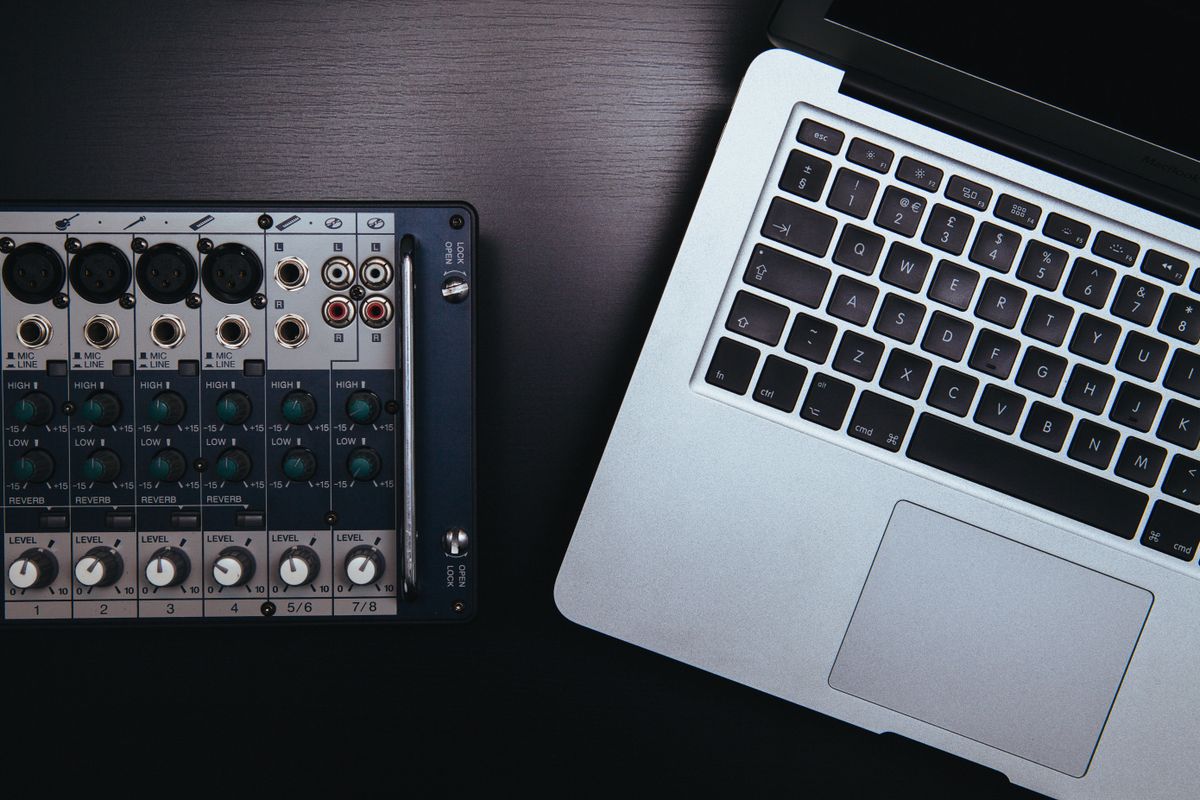
How to connect a mixer to your laptop for a live stream
Take a separate feed from your mixer into your laptop for a live stream, set levels without clipping, and understand USB interfaces and ASIO.

What is ChordPro, and how do you write it?
ChordPro is a plain text format for songs with chords. Learn the bracket rule, the common directives, and how to move files between apps.
Why your lip sync drifts (and why it is almost never the camera)
Audio and video arrive at different times for structural reasons. Here is where the delay actually comes from, why it drifts mid-service, and how to fix it properly.

How to share last Sunday's service with one link
Every service you stream to your church address is kept. How to find one, name it, share just that service, and delete what you would not keep.
When nobody is watching live
Your stream has four viewers and you are wondering whether it is worth it. Here is what those numbers actually mean and what to do about them.
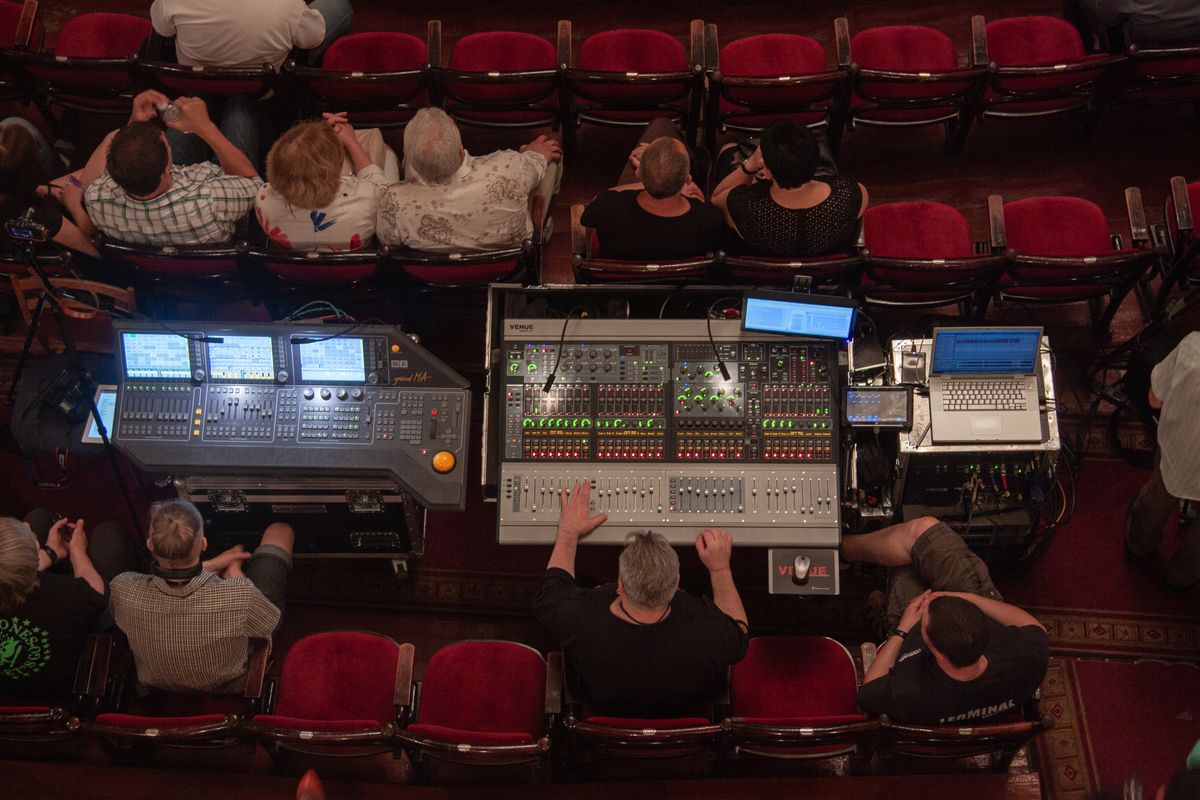
Running a conference without a production company
A one-day conference has slides, speakers, a stream and a recording. Here is what a small team can cover, and where hiring in is genuinely the right call.
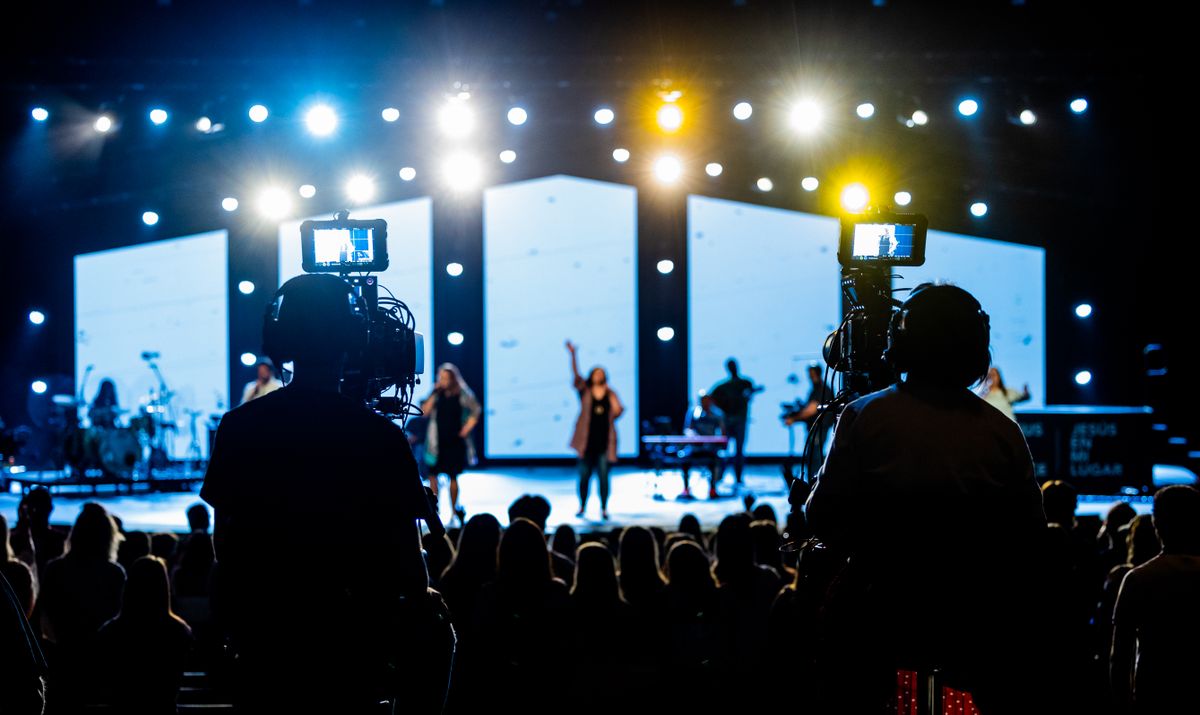
Where to put the cameras
Camera placement decides more about how your stream looks than any equipment you could buy. Here is how to choose positions in a room you did not design.
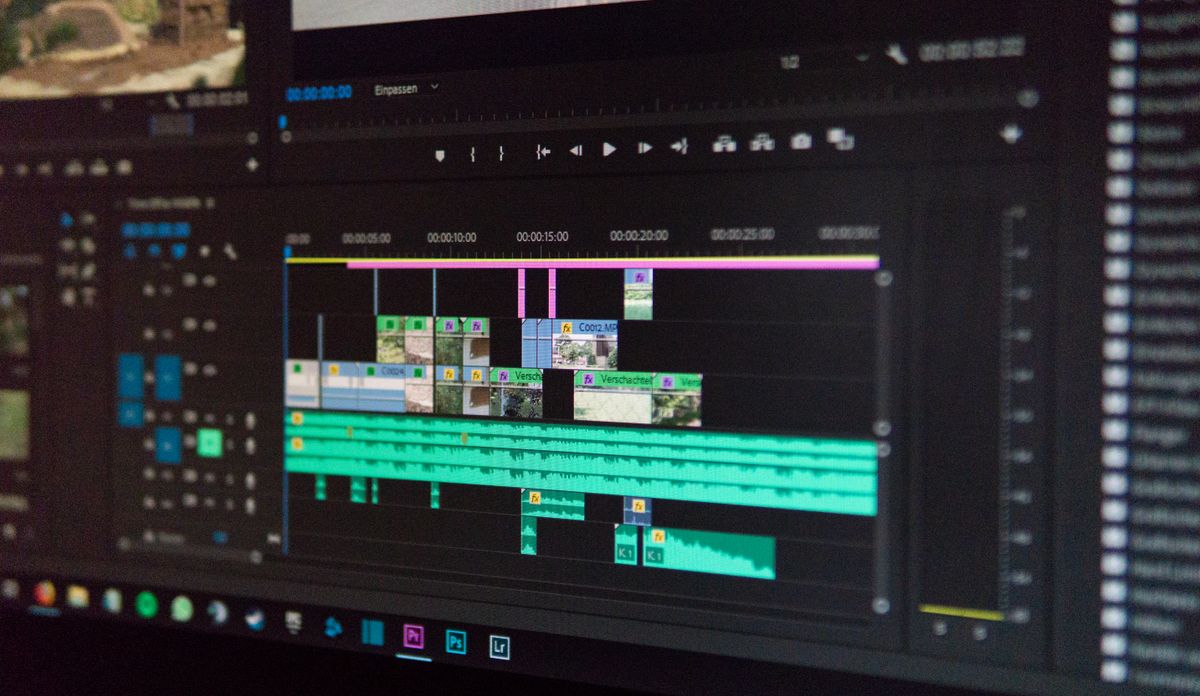
What you do with Sunday on Monday
Most venues stream live and then let the recording sit. The people who could not watch live are usually more numerous than the ones who could.

One service, two buildings
Sending a live service to a second site is not the same as streaming it publicly. Different audience, different delay tolerance, different failure consequences.
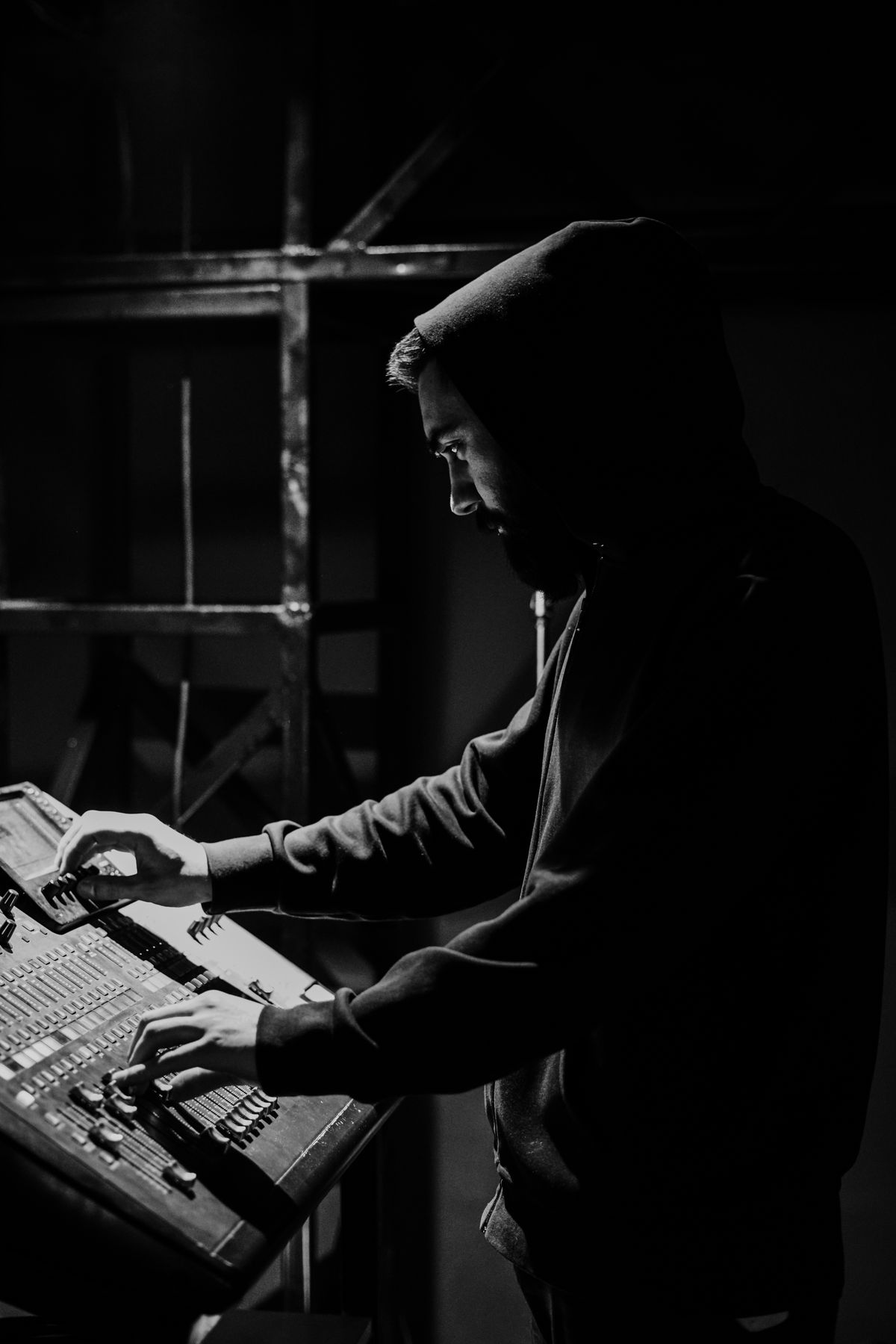
Getting audio right when you are not an audio person
Viewers forgive a poor picture and leave over bad sound. Here is the short version of what matters, for someone who has to solve this and did not train for it.
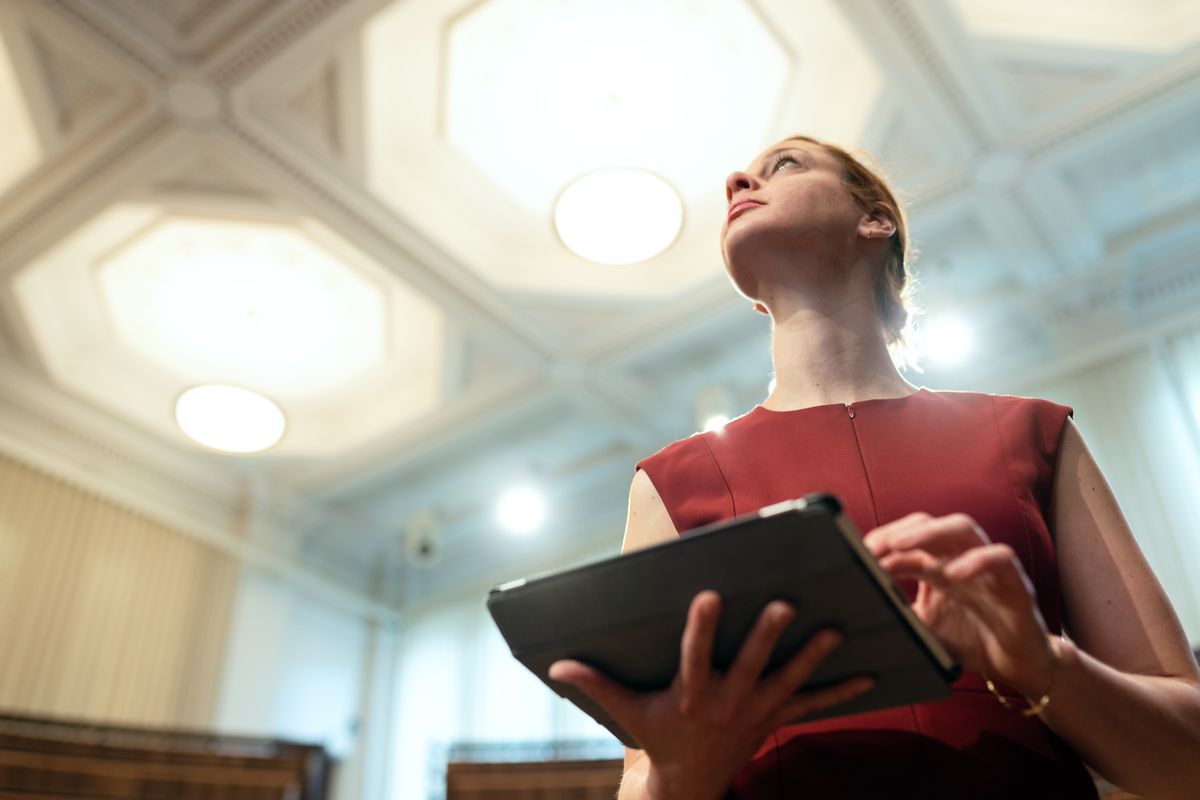
How to set up a Floor Director on an iPad
Put the camera switcher and talkback in the hands of someone on the floor. Which link to scan, the one extra step for iPads, and what they see.
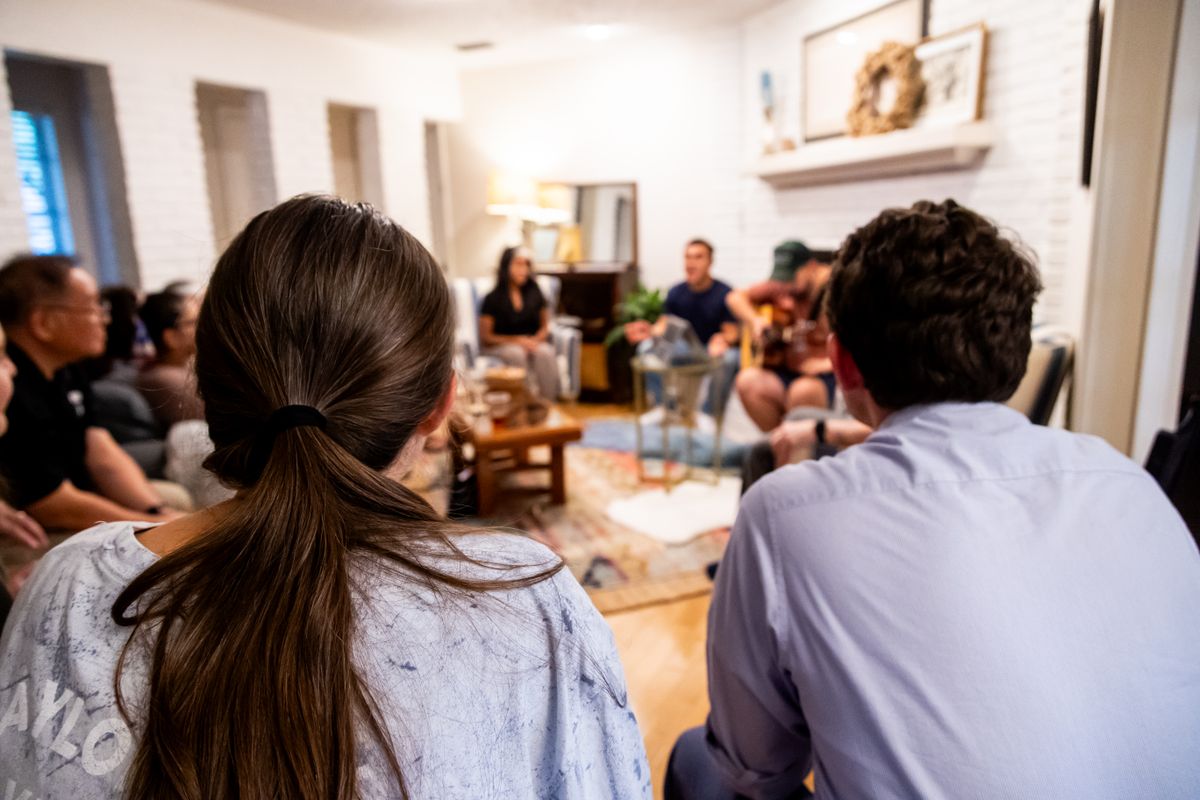
How to use a phone as the microphone for a small group
A phone camera can hear a whole circle of voices, or only the person holding it. Three switches on the camera tile decide which.

Why your Wi-Fi is fine and your cameras are not
The network test passes, the speed is good, and the camera feed still stutters. Wireless cameras stress a network in a way nothing else does, and speed is not the property that matters.

Streaming a school event when the grandparents are overseas
Concerts, graduations and prize days have an audience that cannot fit in the hall... and often cannot fit in the country. Here is how a small team covers one.

A funeral, a wedding, and a baptism
The events that matter most are the ones you cannot rehearse and cannot repeat. Here is how to cover them without the technology becoming part of the day.
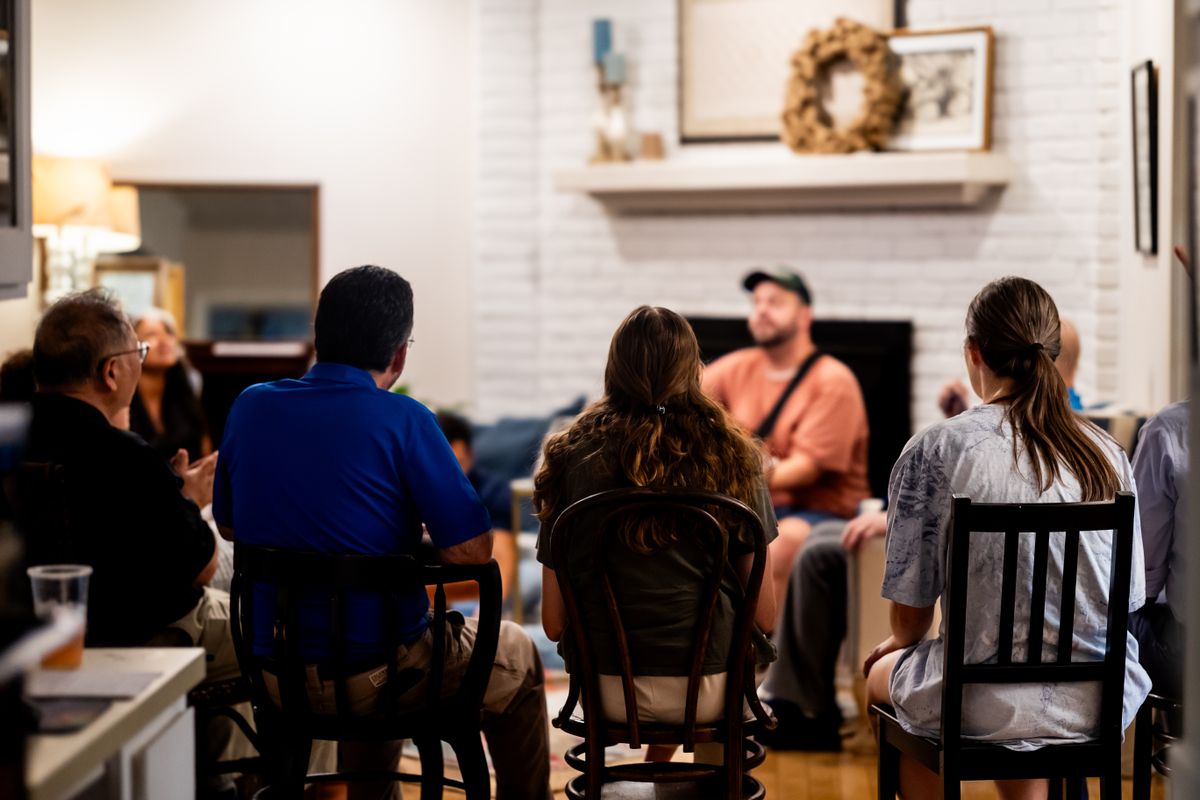
How to stream a small group from one phone
A cell group, a prayer meeting, a home Bible study. One phone as camera and microphone, your church address as the stream, and a link to it afterwards.

Your new volunteer has fifteen minutes
Most AV teams lose people during training rather than during the work. Here is how to bring someone onto a live production team without a course.
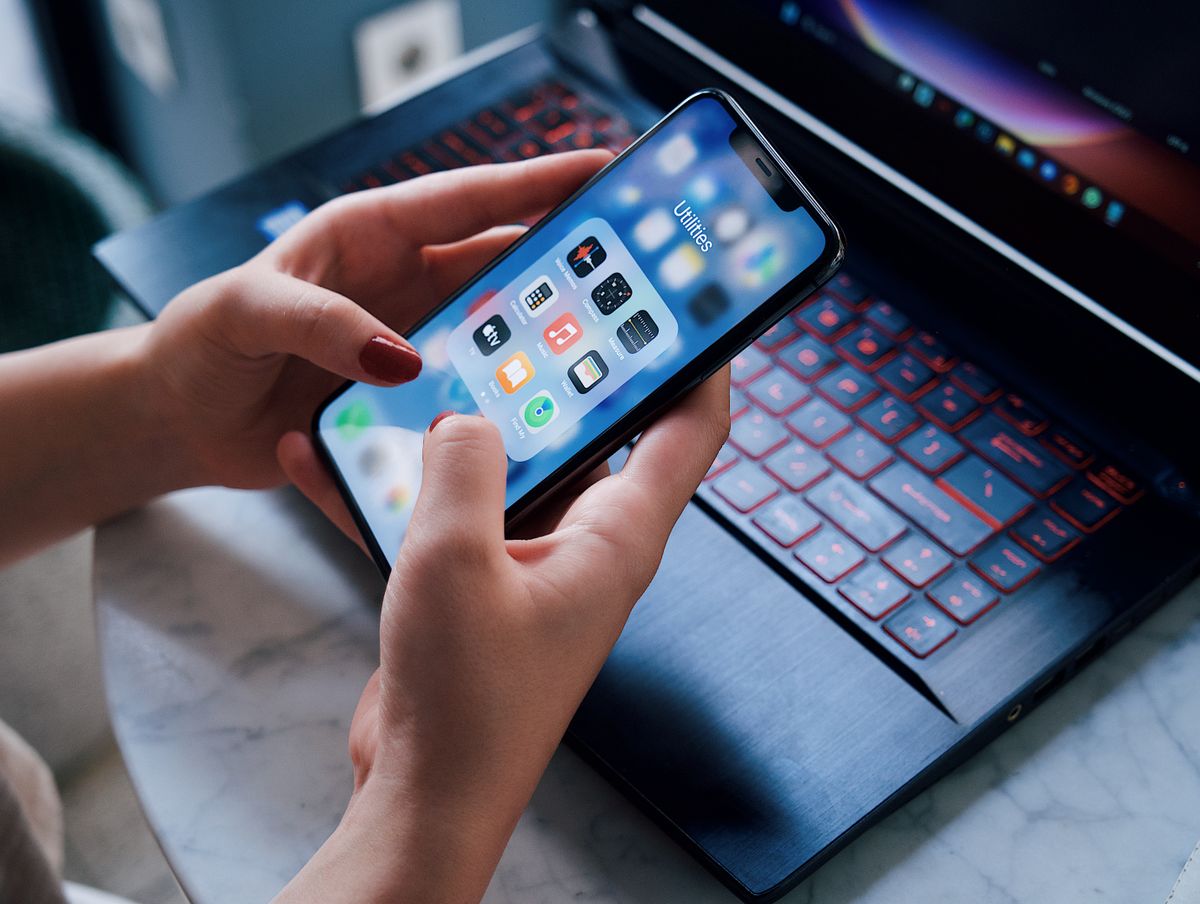
What you can do with one phone and a laptop
The smallest real setup: one phone as a camera, one laptop, and the free tier. Here is exactly what that gets you and where the limits actually are.
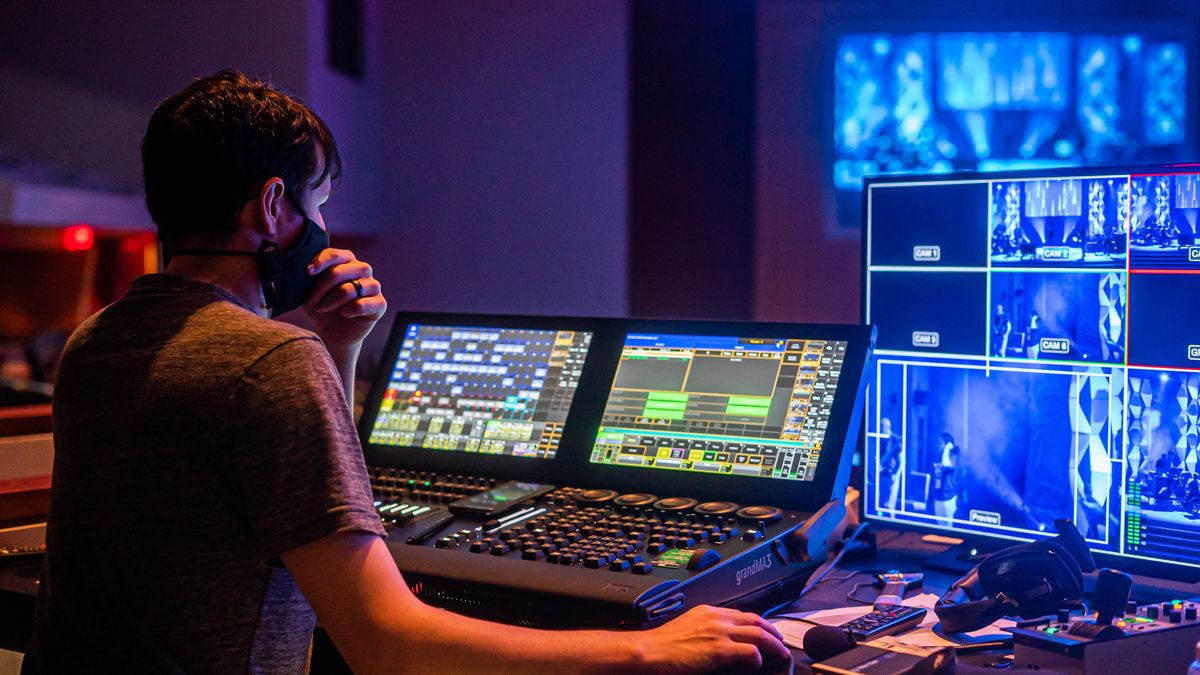
A live day, from setup to shutdown
What running a live production actually looks like hour by hour, for a team that does this once a week and has other things to do.
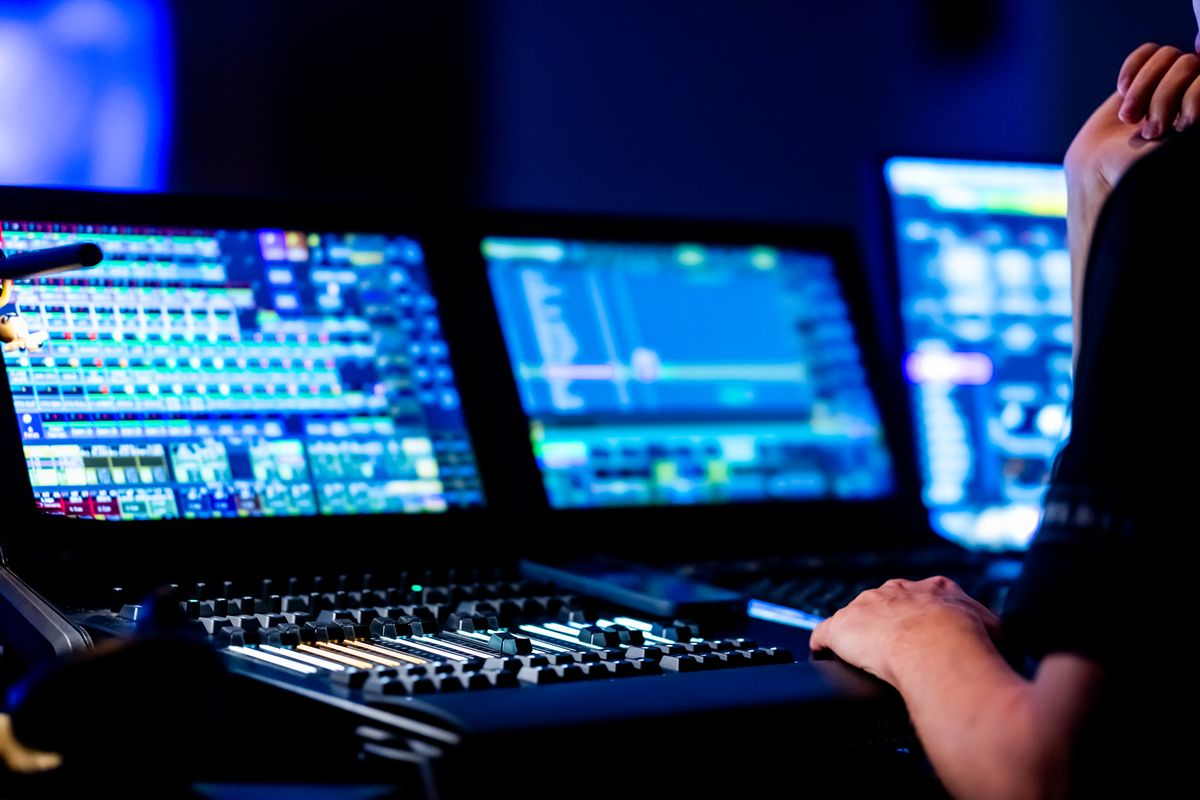
The gear was never the bottleneck
Most venues that cannot stream reliably do not have an equipment problem. They have a people problem wearing an equipment costume... and gear does not fix it.
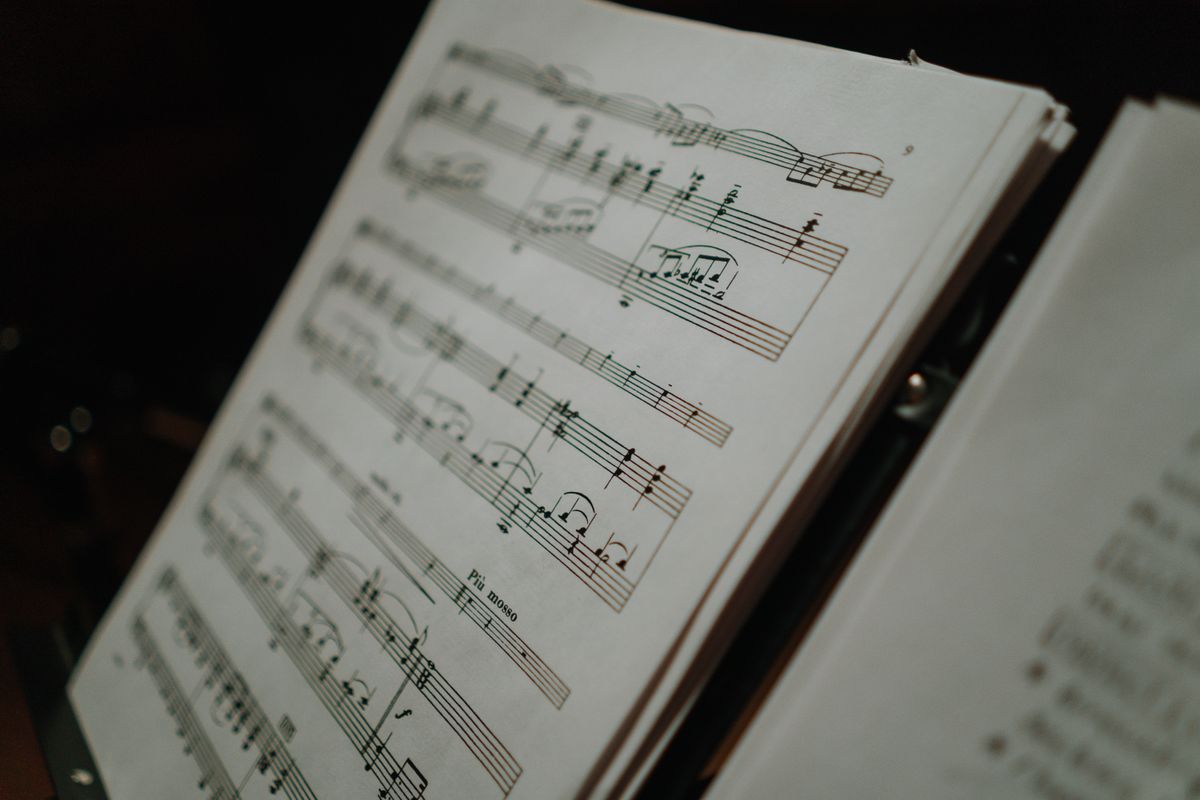
How to arrange a song the way the band actually plays it
Verse, chorus, verse, chorus, chorus, bridge... set a song's real order once, and every screen follows it. Blocks or Sequence, explained.
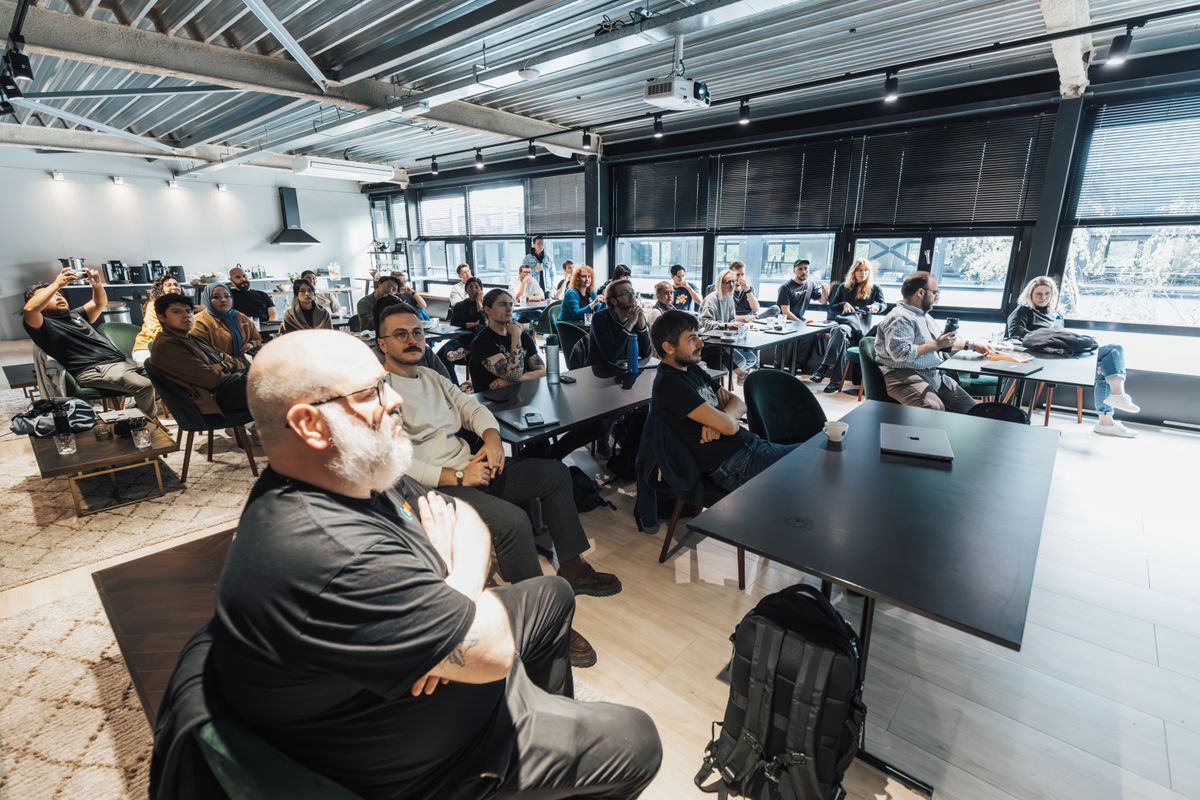
The overflow room problem
You have run out of seats and there is a hall next door. Sending the service into that room is a different problem from streaming online, and simpler than most people assume.