
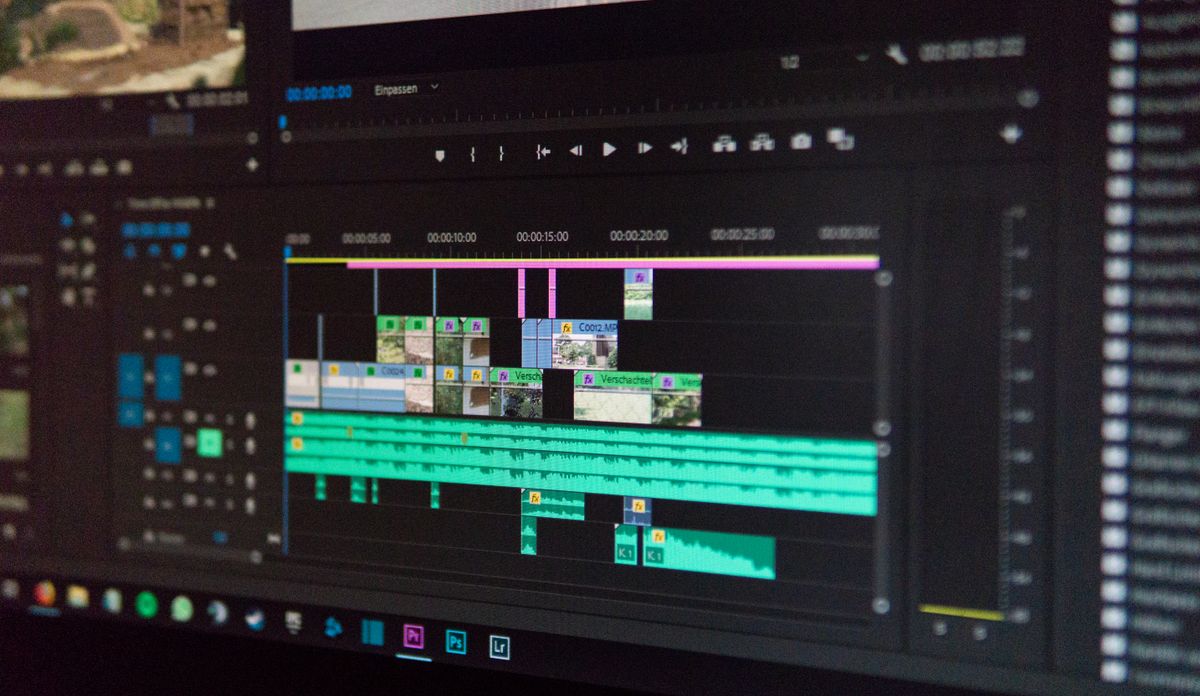
The audience you already have
Most venues put real effort into the live stream and then let the recording sit in a folder.
That is backwards for a straightforward reason: the people who cannot watch live outnumber the ones who can. A live stream requires being free at a specific hour. A recording only requires interest.
Shift workers. Parents dealing with small children. People in other time zones. Anyone who heard about it afterwards. Members who were travelling. If your live viewership is fifty, your potential recorded viewership is considerably larger, and it accumulates for weeks rather than ending when the stream does.
The recording is not the leftovers. For many venues it is the larger half of the audience, receiving almost none of the attention.
Record more than you stream
The stream is one composed output... whatever you were cutting to at the time. That is right for live, and it permanently discards everything you were not showing.
If you record each camera separately as well, you keep every angle. On Monday, you can cut to the shot you did not choose live: the reaction you missed, the wide when you were tight, the angle that turned out to matter. You get to make the decision again, without time pressure, knowing how it ended.
This is a higher-tier capability and it costs disk space... several simultaneous recordings rather than one. Whether it is worth it depends entirely on whether anyone will do the editing. If nobody will, record the program output and stop there; an unedited pile of angles is worse than a single usable file. If someone will, it is the difference between publishing what you happened to catch and publishing what actually happened.
Worth being clear: a program-output recording is available on every tier, including free. The per-camera version is the paid addition.
The clip is the unit
The most useful thing to make from a service is not the service.
Full recordings are watched by people who already intended to watch. A short clip (one point, one song, one moment, a minute or three) travels somewhere entirely different. It gets shared. It reaches people who would never open a ninety-minute video.
Practically:
One clip beats a full upload for reach. A well-chosen ninety seconds does more than the complete recording, and it takes minutes to produce.
Vertical crops matter if the clip is going anywhere people watch on phones. A wide shot cropped to vertical often loses the point; framing something with a later vertical crop in mind is a small habit that pays.
Subtitles matter more than most people expect. A large share of viewing happens with sound off. A clip without text on screen is invisible to that audience.
Choose the moment during the service, not afterwards. If someone notes the time when something lands well, finding it on Monday takes seconds instead of a scrub through ninety minutes. A phone note is enough.
What to do the same week
A modest routine that most teams can sustain:
- Verify the recording exists before anyone leaves. Open the file. This one step prevents the worst outcome, which is discovering on Tuesday that the file is broken and the event is gone.
- Copy it somewhere else. One copy is not a backup. The laptop is the least safe place your only recording could live.
- Publish the full recording quickly, even unedited. People who missed it want it now, not perfected next week.
- Cut one clip. Just one. The best ninety seconds. This is the highest-value fifteen minutes in the whole week.
- Note anything that went wrong while you remember it. Not for a report... for the person doing this next time, who may be you and may not.
Where the time actually goes
A realistic account, because "edit the recording" hides an enormous range of effort.
Publishing the full recording unedited: about ten minutes, most of it uploading. There is no editing decision to make. If your week only has ten minutes, this is the ten minutes.
Trimming the start and end: another five. Removing the empty stage before things began and the shuffling afterwards. Small, and it changes how the recording feels... a video that opens on silence reads as unfinished.
One clip: fifteen to thirty minutes, if you noted the moment during the service. Considerably longer if you did not, which is the entire argument for noting it.
A full multi-camera edit: hours. Genuinely hours, every week, forever. This is the one teams commit to enthusiastically and abandon by the fourth week, and abandoning it is the correct response to discovering the real cost. If you want this, be honest that it is a role someone holds rather than a task someone squeezes in.
The pattern worth noticing: the first twenty minutes of effort captures most of the value. Everything after that has sharply diminishing returns unless someone genuinely enjoys the work.
Archives are worth more than they look
A quieter benefit that only appears over time.
A venue with several years of recordings has something genuinely valuable: a record of what was said, who was there, how things changed. People come back for a specific service... a memorial, a milestone, the week a family was involved in something. That request arrives years later and the recording is either there or it is not.
This costs almost nothing beyond the discipline of naming files consistently and keeping them somewhere durable. It is worth doing before you have a reason, because by the time you have a reason it is too late to have started.
Name files so a stranger can find things. Date first, in a sortable order, then what it was. Your future self is a stranger.
The honest constraint
All of this requires someone to do it, and that person is usually the same person who ran the live day and is now tired.
So keep the routine small enough to survive an ordinary week. Verify the file, copy it, publish it, cut one clip. That is genuinely enough, and a small routine performed every week beats an ambitious one attempted twice.
The recording is the part of your live day that keeps working after everyone has gone home. It deserves fifteen minutes.