
The events that are not routine
Most of what a venue streams is regular. Same room, same shape, same team, week after week.
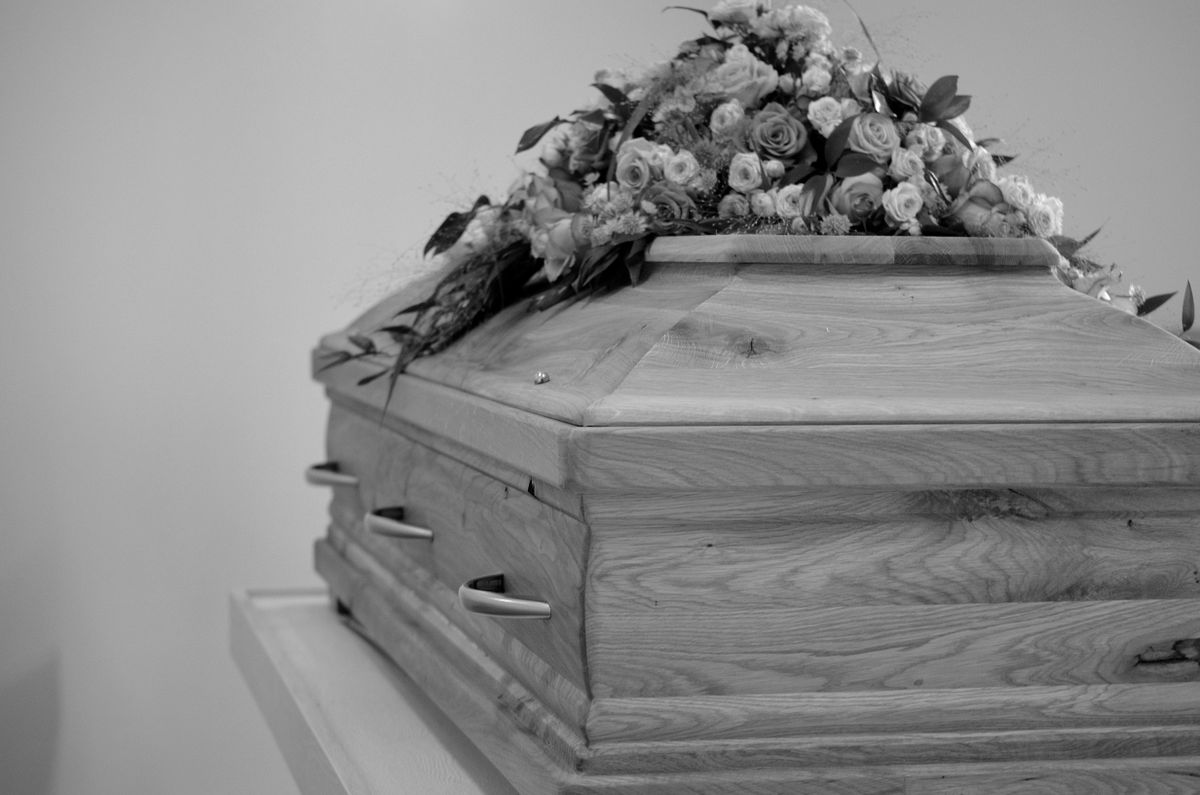
Then there are the others. A funeral where half the family is in another country. A wedding where a grandparent is too unwell to travel. A baptism, a memorial, a milestone.
These are different in a specific way: they happen once, they cannot be rehearsed, and the people who cannot be there care enormously. The stakes are personal rather than technical, and the technology should be as close to invisible as you can make it.
What changes
The recording matters more than the stream. For a regular service, the stream is the point. For these, the recording is what the family will keep and watch again. Whatever else happens, the recording must survive.
A few seconds carry the whole thing. The vows. The moment of the baptism. A specific person speaking. Everything else is context. Your job is to be reliably on those seconds, not to produce good coverage throughout.
There is no second attempt. A regular service that goes badly is a bad week. These do not come back.
The audience is emotional. People watching a funeral remotely are not evaluating your production. They are grieving, at a distance, and the stream is their only presence in the room. That is the whole reason it matters.
Do less than usual
The instinct for an important event is to do more... more cameras, more effort, more production.
That instinct is wrong here, and it is the most useful thing in this article.
More cameras mean more to go wrong on a day with no room for it. Two cameras double the failure surface for a marginal improvement nobody will notice.
Movement is intrusive. An operator adjusting a camera during a eulogy is visible to the room. A fixed camera is invisible.
Complexity needs attention you should be spending on getting the important moments right.
The right setup for these events is usually simpler than your normal one. One camera, well placed, that does not move. Audio from the desk. Recording running. That is it.
Practical, by occasion
A funeral
Ask the family first, and ask rather than announce. Some families want it; some very much do not. It is not a default.
Keep the link private. An unlisted link shared with the family, not a public broadcast. This is a private occasion that some people are attending remotely.
Position the camera where it will not be walked past and where mourners do not have to see it. It should not be a presence in the room.
Do not move it. At all. A camera that pans during a eulogy makes the technology part of a moment it has no business being part of.
Frame wide and leave it. People will move in ways nobody planned. A wide shot tolerates that; a close one does not.
Verify the recording before anyone leaves. This is the one that matters. Families ask for it weeks later, and there is no way to recover it if it failed.
A wedding
Find out the specific moments in advance. Vows, rings, the kiss, the walk. Someone knows the order... ask them.
Frame for the vows. That is the shot the recording is judged on. If everything else is mediocre and the vows are clear, the couple will be happy.
Audio is the priority. Vows are quiet and spoken to each other, not to the room. If there is any way to get a microphone near the front, take it. A beautiful picture of two people whose words cannot be heard is a failure.
Coordinate with the photographer. They have a job too, and they will move. A brief conversation beforehand prevents them standing in your shot at the moment that matters.
Expect delays. Weddings run late. Do not schedule a hard stop.
A baptism
Watch the water. Reflections and bright surfaces confuse automatic exposure... the picture may darken exactly when the person is in the water.
Frame for where it happens, which is usually lower than a standing person. A shot framed for a speaker will cut off the actual moment.
Test the framing with someone standing in the right place beforehand. Ten seconds, and it prevents the most common failure.
Telling people
For any event with a personal dimension:
Tell the people involved, in advance, not on the day.
For personal occasions, ask. A family's grief or a couple's wedding is not something to record because you happen to have the equipment.
Be clear who can watch. "A private link for family" and "on the internet" are very different things, and people assume the smaller one.
Have a way to stop. If someone objects on the day, that must be respected immediately, without negotiation.
The reason to do this at all
A grandparent watching a wedding from a hospital bed. A son abroad who cannot get a flight in time for his mother's funeral. A family scattered across three countries watching a baptism together.
These are the moments where streaming stops being a service a venue provides and becomes the only way somebody can be present for something they cannot miss.
Which is exactly why the technology should disappear. Nobody in that situation wants to notice production. They want to be in the room, and a stream is as close as they can get.
Do less, do it reliably, and check the recording before you leave.